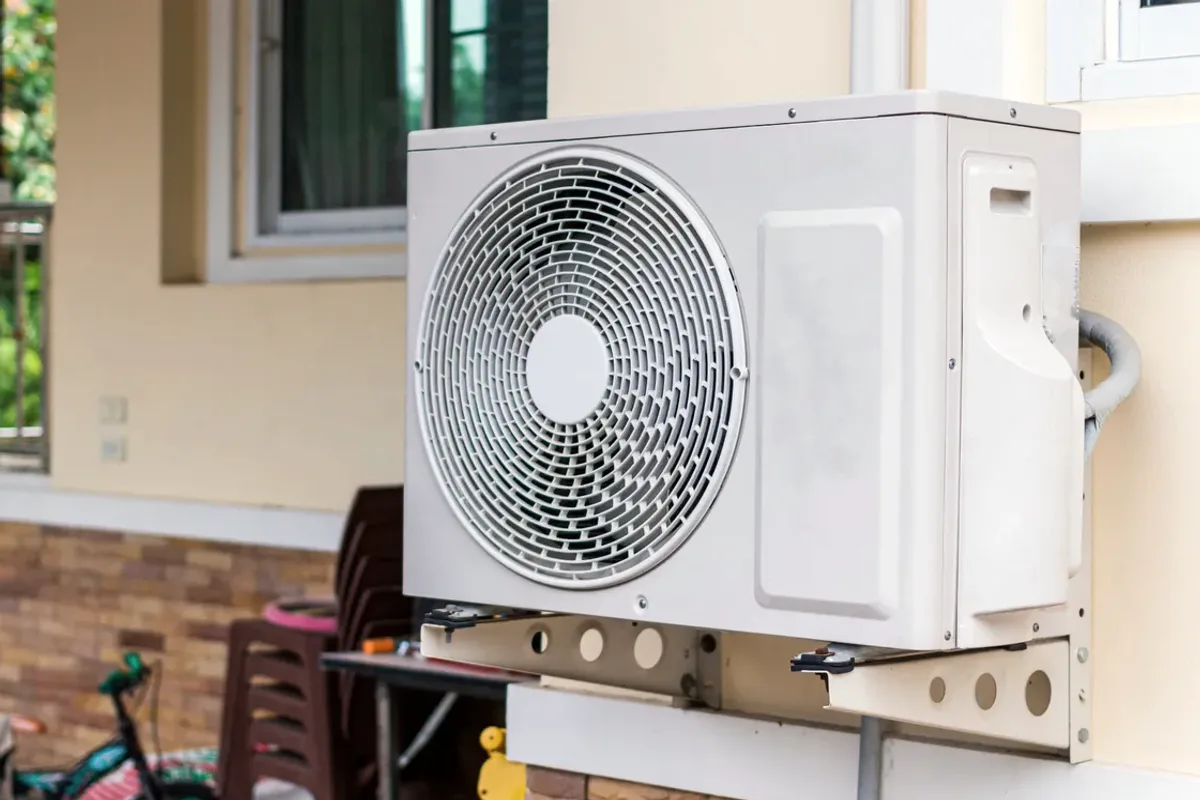
Request heat pump repair & installation for a property in Newmarket. Include the equipment, the problem or planned work, and your location so the request can be reviewed.
What observations help determine whether a heat pump needs repair or replacement?
Heat pumps combine heating and cooling functions, so a fault may appear in one operating mode, both modes, or during a defrost cycle. A capacitor, contactor, sensor, reversing valve, defrost control, or refrigerant issue calls for a different diagnosis; a symptom alone does not establish that the compressor or whole unit has failed. Repair and replacement are separate decisions. If new equipment is being considered, the building load, existing distribution, electrical supply, and required cold-weather operation shape the installation scope.
Record which mode is affected, outdoor conditions at the time, any fault indication, and whether the system changes modes as expected. Inspection can compare electrical components, sensors, defrost operation, refrigerant evidence, and airflow. For replacement planning, load calculations and the existing distribution and controls matter. These findings distinguish an isolated repair from equipment deterioration or an installation mismatch without treating rising operating costs as proof of a particular fault.
Heat-pump electrical, refrigerant, sensor, and defrost faults
Repair versus replacement based on inspection
Heat-pump sizing, distribution, and installation planning
Assessment and Scope
Questions for the Proposed Work
01
Diagnose the fault by operating mode
A unit that cools but does not heat presents a different diagnostic path from one that fails in both modes. Contactors and capacitors, reversing valves, sensors, and defrost controls can each affect operation differently. Outdoor-unit sounds and the timing of a fault can help focus inspection, but internal electrical and refrigerant work require qualified service. Record whether the issue began after a control change or a recent repair, since that history can narrow the checks.
02
Compare repair with replacement evidence
A replaceable sensor or electrical component may support repair, while compressor damage or recurring faults may justify comparing a new system. The decision should reflect inspection findings, equipment condition, parts and repair scope, not an assumed savings calculation. A refrigerant concern needs leak assessment before any charge adjustment. If the existing heat pump has had several distinct faults, ask how each finding contributes to the replacement recommendation.
03
Plan installation around the property
New equipment selection should follow a load calculation and review of the existing indoor distribution, controls, electrical supply, and outdoor-unit location. If cold-weather heating is required, state that requirement so the equipment and system design can be evaluated for it. Compatibility with existing ductwork or a ductless arrangement changes the work involved. Commissioning observations should be recorded to establish how the installed system operates in its intended modes.
Compare the next step
Ask how backup heat behaves when the owner is away and what monitoring can confirm. Record the approved operating settings, who receives alerts, and who can provide access. The absence plan should account for equipment service and the property consequences of lost heat, rather than simply installing remote controls.
Cold-climate capability does not prove that one model covers every home heating load. Ask how the selected equipment and supplementary heat meet the actual design requirements.