Request furnace repair for a property in Newmarket. Include the equipment, the problem or planned work, and your location so the request can be reviewed.
What should be checked when a furnace will not start or is heating unevenly?
A furnace that will not start, produces unusual sounds, or heats rooms unevenly needs a diagnosis tied to its fuel, venting, controls, and observed symptoms. Ignition faults, restricted airflow, a limit-control trip, and a failing blower can produce overlapping signs but require different checks. Repair may be appropriate when a fault is isolated; repeated breakdowns or a damaged major component call for comparing repair with replacement. The service request can note the furnace type and what changed before the problem appeared.
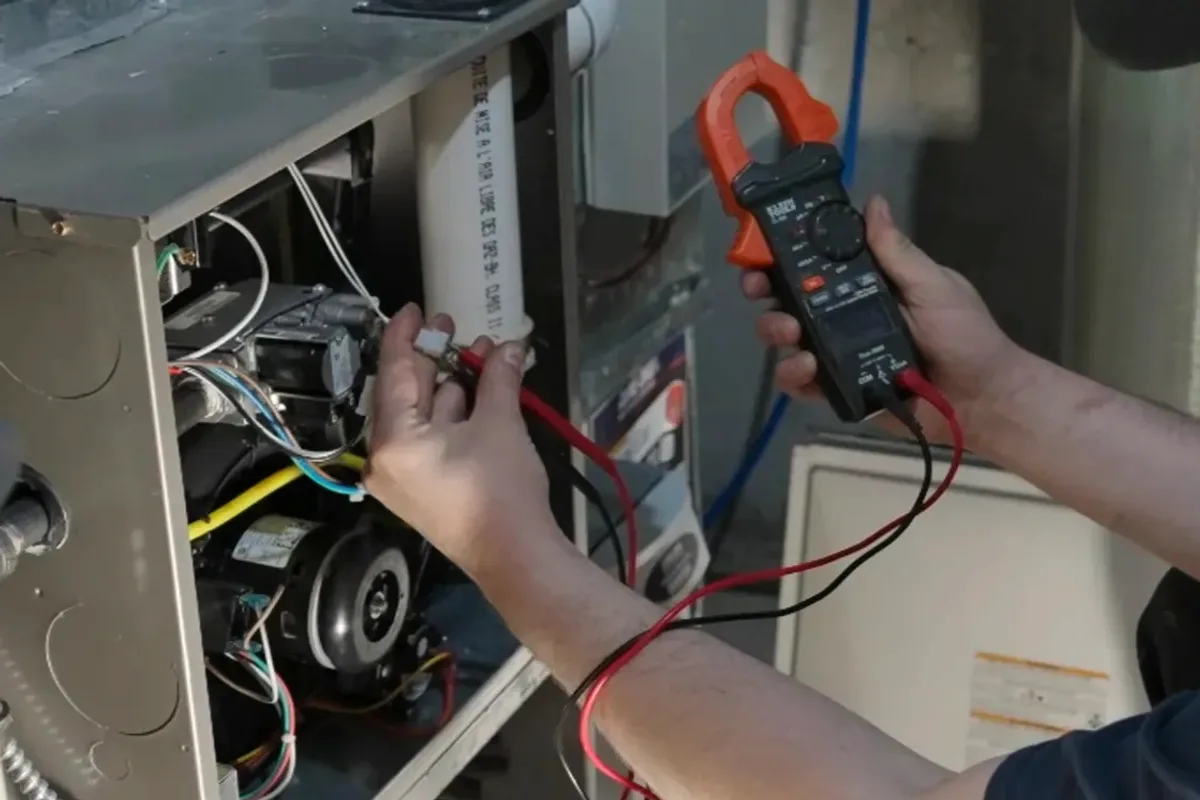
The assessment should record the fuel and furnace type, the symptoms and when they occur, and any displayed fault codes. A technician can then compare ignition and burner operation, airflow, venting, and control responses instead of treating every no-heat call alike. Findings on a heat exchanger or repeated component failures can also change whether repair or replacement is the relevant scope.
Ignition, burner, and no-start diagnosis
Airflow, blower, noise, and limit-control faults
Furnace maintenance findings and repair-versus-replacement decisions
Assessment and Scope
Questions for the Proposed Work
01
Separate ignition and airflow faults
A furnace that does not light may have an ignition or fuel-delivery issue, while a unit that starts and stops can point to airflow restriction or a limit-control response. Blower scraping, inducer noise, or duct rattling should be described separately because each comes from a different part of the system. Filter condition and airflow observations help guide diagnosis, but burner and internal electrical checks belong to qualified service personnel.
02
Use inspection findings to guide maintenance
Maintenance scope depends on the furnace design and inspection results. Filter replacement should follow the equipment instructions, while burners, ignition components, venting, and safety controls require appropriate inspection rather than guesswork. A recorded fault history can distinguish a one-time issue from recurring trips or wear. Maintenance is not a substitute for repairing an active fault, and a safety control should never be bypassed or repeatedly reset.
03
Compare repair with replacement
An isolated igniter, blower, or control fault may support a repair, whereas a damaged heat exchanger or a pattern of costly failures can make replacement worth comparing. The decision depends on the confirmed fault, the furnace's condition, parts availability, and whether a suitable replacement can connect to the existing fuel, venting, ductwork, and controls. Ask for the findings behind each option rather than relying on age or a single symptom alone.
Compare the next step
Agree on who can respond locally if remote temperature monitoring shows a problem. Ask which alerts the installed controls provide and which conditions require on-site assessment. Keep the appliance information and access instructions available to that person; internet connectivity alone does not establish that heating remains dependable.
Leave burner, fuel, venting, electrical, and internal equipment work to a qualified contractor. Do not bypass a safety switch or repeatedly reset a furnace.