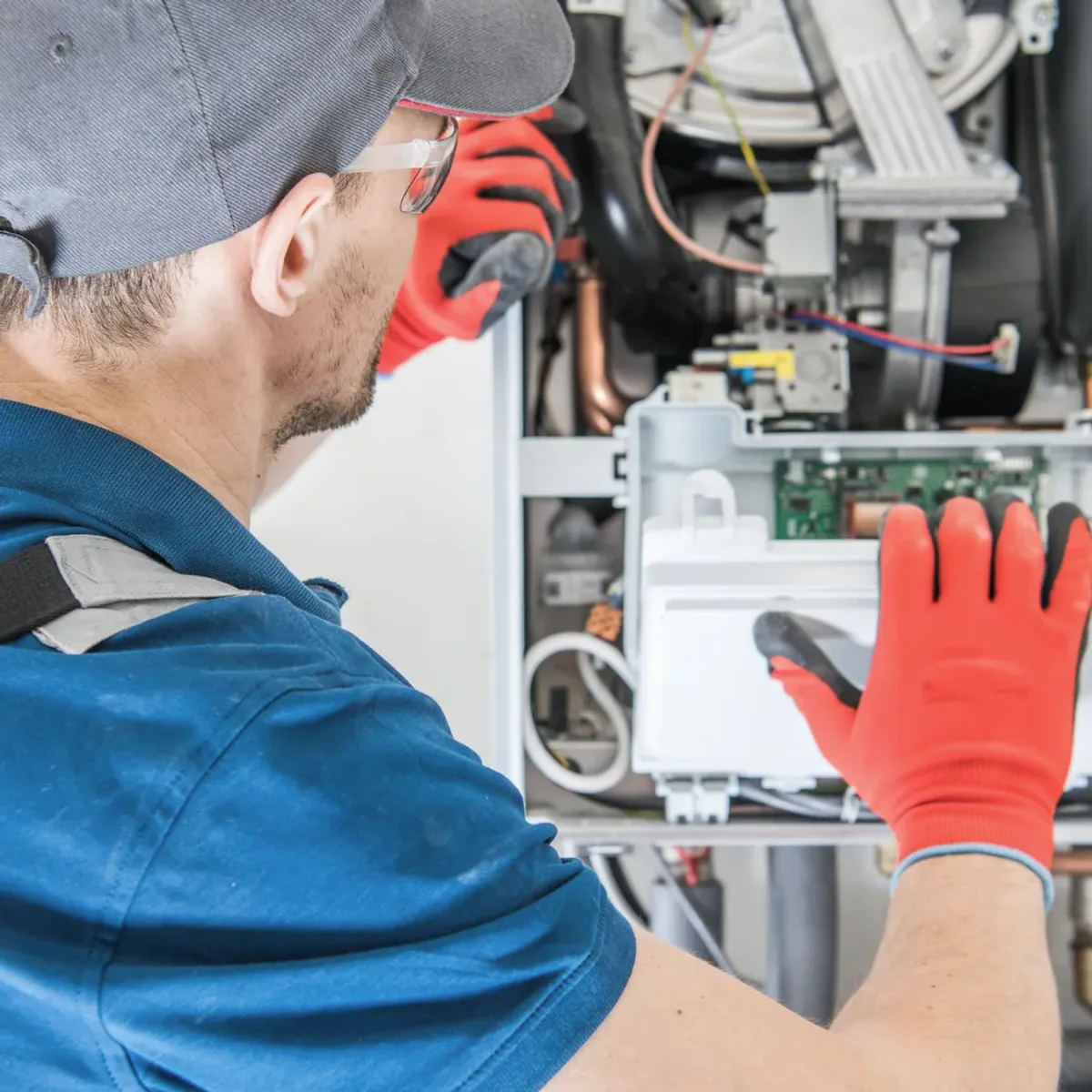
Request boiler service for a property in Newmarket. Include the equipment, the problem or planned work, and your location so the request can be reviewed.
Which boiler details matter when diagnosing pressure loss or uneven heat?
Boiler service depends on the boiler design, fuel, venting, controls, and the hydronic distribution it serves. A cast-iron boiler connected to radiators may operate differently from a condensing unit serving in-floor loops, so replacement choices should reflect the actual emitters and control arrangement. No-heat, leakage, pressure loss, and uneven heating also point to different diagnostic paths. Record the boiler model, fuel, symptoms, and any recent changes to help distinguish repair, maintenance, and replacement scope.
Identify whether the boiler is cast iron or condensing, its fuel, the venting arrangement, and whether it serves radiators or in-floor loops. Inspection can compare ignition, circulator operation, expansion-tank condition, pressure behaviour, and the affected zones. A relief-valve leak and a failed igniter are not the same fault. These findings also inform whether a proposed replacement can work with the existing emitters and controls.
Boiler ignition, circulation, leakage, and pressure faults
Cast-iron and condensing boiler replacement considerations
Inspection-based maintenance for radiator and in-floor systems
Assessment and Scope
Questions for the Proposed Work
01
Distinguish ignition, circulation, and pressure faults
A boiler that will not fire may involve ignition or fuel-related checks, while cold radiators or an unheated floor zone may point toward circulation or controls. Pressure loss or water at a relief valve calls for investigation of the pressure behaviour and related components, including the expansion tank. Fuel and boiler design affect diagnostic procedures. Combustion, internal electrical, and pressurized components should be inspected by qualified service personnel, not adjusted by occupants.
02
Match replacement design to the heating system
A replacement should be evaluated against the radiators or in-floor loops, their control arrangement, and the building's heating load. A condensing boiler may require different venting and condensate provisions from an older cast-iron design; fuel availability and compatibility also shape the options. The existing boiler's condition and measured system requirements matter more than age alone. Record the proposed model and how its controls will serve each heating zone.
03
Let inspection determine maintenance
Maintenance should follow the boiler manufacturer's instructions and inspection findings, including the condition of burners, venting, controls, water-side components, and visible corrosion. A hydronic flush is not an automatic annual task; whether system water needs attention depends on the system and evidence found. Maintenance is distinct from repairing an active leak, pressure fault, or no-heat condition. Keeping service observations and fault history helps compare recurring issues with a one-time repair.
Compare the next step
Ask how the installed boiler and zone controls should operate during the absence, including any freeze-protection requirements in the manufacturer instructions. Establish who can respond to an alarm or loss of heat and provide that person with equipment and access records. Monitoring should support a practical service arrangement rather than stand in for maintained heating equipment.
Leave fuel, combustion, electrical, and pressure-system work to a qualified contractor. Do not adjust safety devices or repeatedly add water to a system with an unexplained leak or pressure loss.