Most homeowners call about their furnace at one of two moments: when something seems off, or when the house has already gone cold. The first moment is always cheaper. This guide walks through the five warning signs worth acting on, what each one tends to mean, and how quickly each deserves a professional opinion rather than a wait-and-see approach.
What a Diagnostic Visit Covers
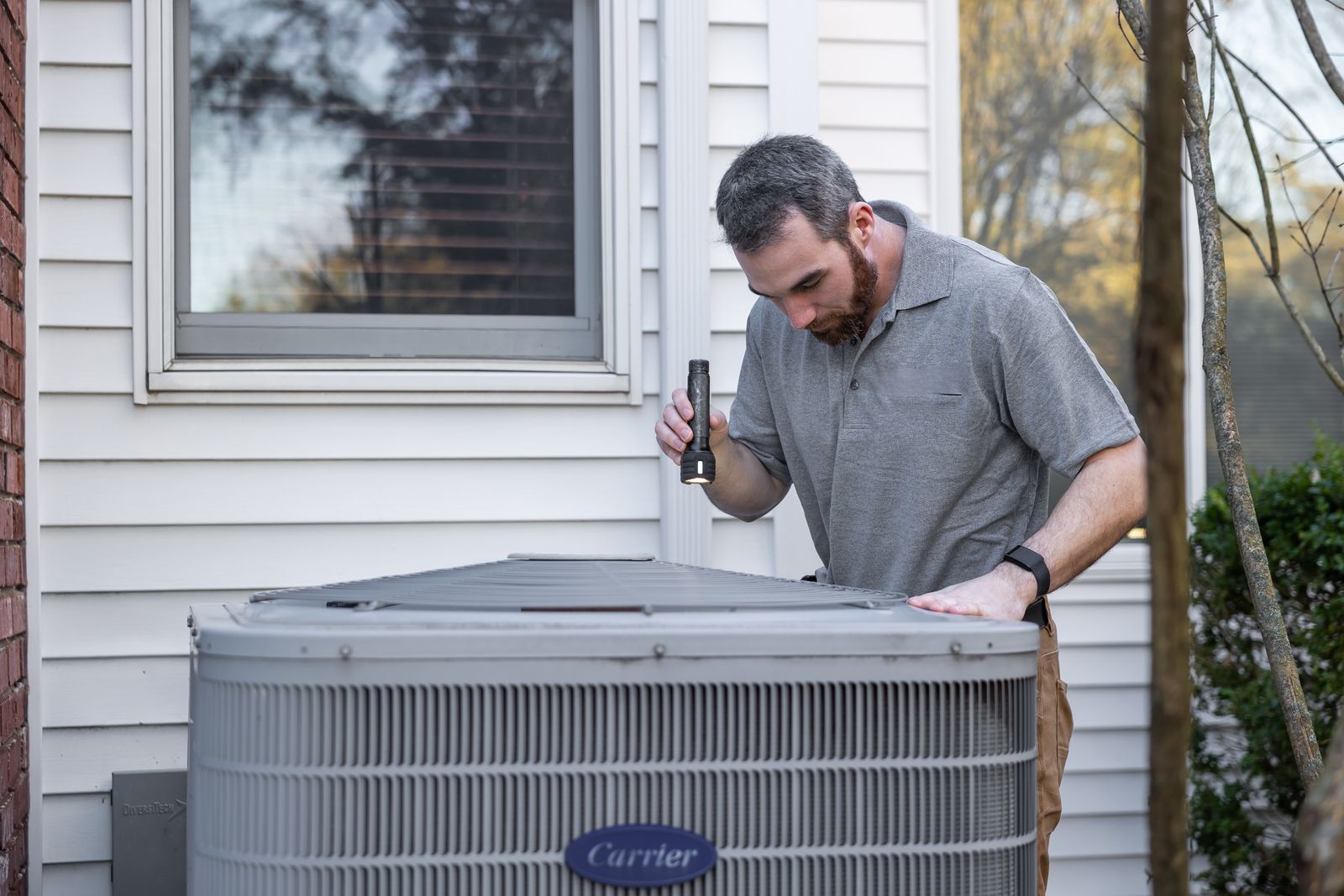
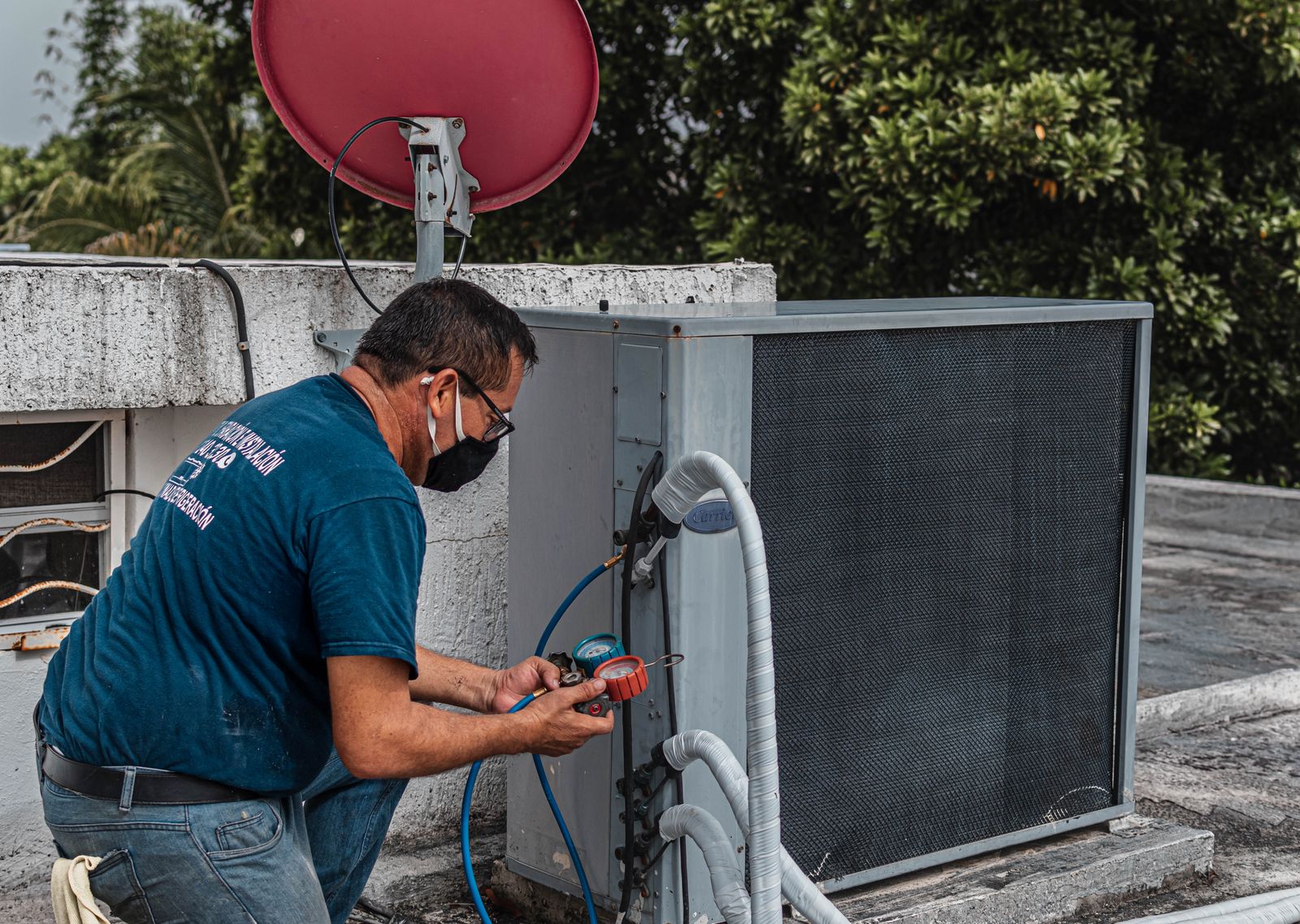
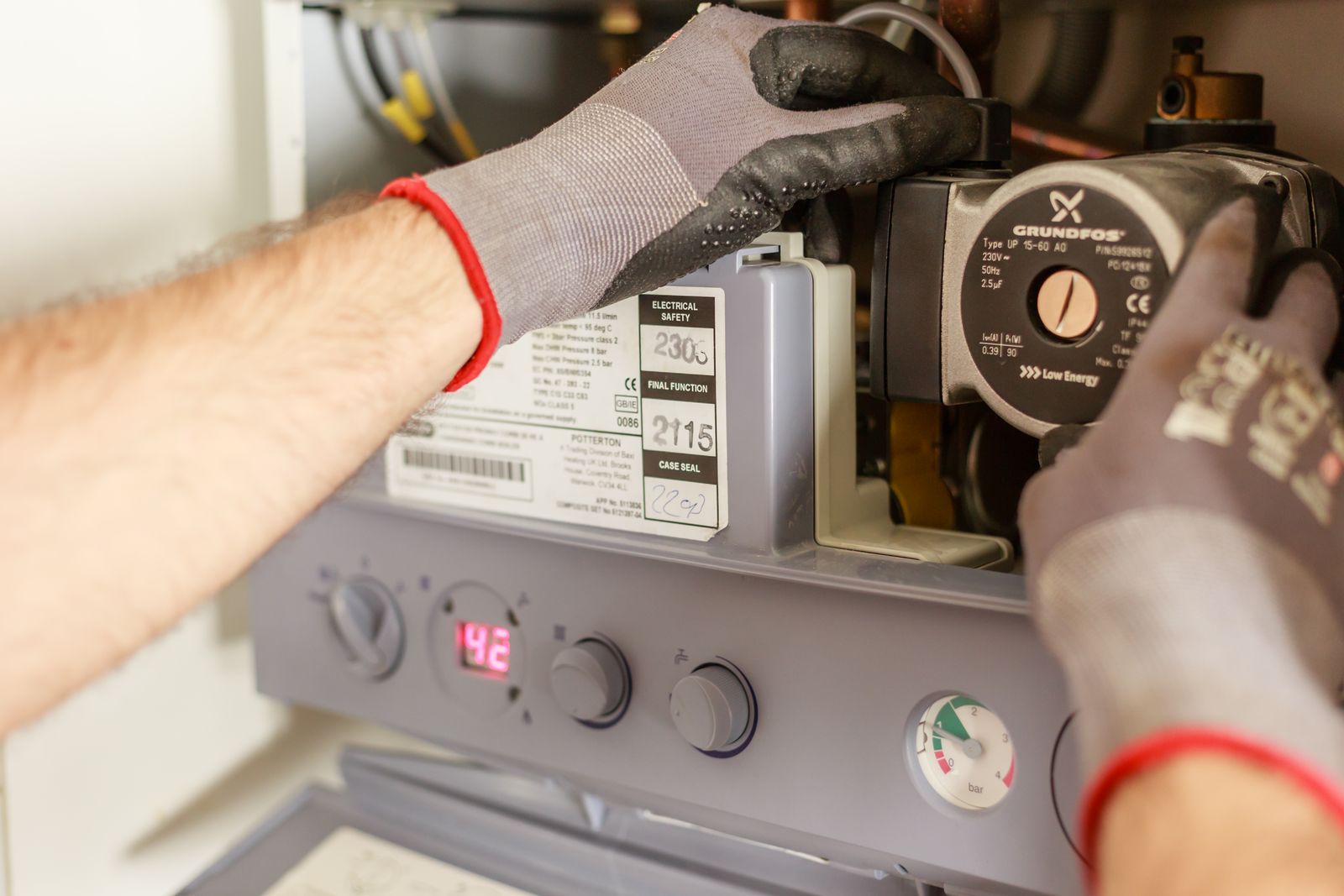
A proper diagnostic is more than a glance. Expect the technician to inspect the burners and heat exchanger, test the flame and ignition, check the blower and belts, measure airflow across a clean filter, verify the thermostat, and test around the unit for carbon monoxide. You leave with a clear explanation of anything found, plus repair options in order of urgency and firm pricing before any work begins.
Run Longer, Start More, Pay More
Sudden bill spikes deserve an audit, not a shrug. Pull the last two winters of gas bills and match the months. A jump in similar weather points to lost efficiency in the furnace itself, from dirty burners and clogged filters to ducts that leak heated air into unheated spaces. Frequent on-off cycling makes it worse. Short cycles never let the system reach steady operation, so fuel goes to starting rather than heating, and the igniter and controls accumulate wear with every restart. Fixing the cycling cause often claws back a noticeable slice of the bill the same season.
The Soundtrack of a Wearing Furnace
Noises are the earliest warning most furnaces give. Grinding and screeching come from the blower: worn bearings, a failing belt, a motor working against friction. Rattling sits lower on the worry scale and usually means something loose, like a panel, screw or duct section, but it can also be a cracking component. Clicking that repeats without a flame is an ignition fault, usually the flame sensor or igniter. If a sound is loud enough to hear over the television in Newmarket living rooms this winter, it is loud enough to book a repair.
A worn part replaced in the fall usually costs a fraction of the emergency repair it becomes by mid-winter. When two or more warning signs show up together, the odds of a breakdown climb sharply, so treat the combination as your deadline rather than a coincidence.
Watch Comfort and Airflow Together
Uneven heating from room to room. When one floor bakes while another stays cold, the usual suspects are leaking or blocked ducts, a weakening blower motor or a thermostat reading the wrong temperature. Weak airflow from the registers. Hold a hand near a supply vent on a cold day: if the air is warm but barely moving, a clogged filter, duct restriction or tired blower is robbing the system. The furnace compensates by running longer, which adds strain and shows up on the next gas bill.
The Sign That Should Stop Everything
A yellow pilot flame. Blue means clean combustion. Yellow or orange means fuel is not burning completely, a combustion problem with a carbon monoxide risk attached, since a flame that cannot finish its burn can leave CO where it does not belong. Do not wait for a convenient appointment window: stop using the furnace and get a licensed technician out promptly. Test that carbon monoxide alarms near the sleeping areas work, treat any alarm event as a leave-the-house situation, and let a pro verify the burner, the venting and the heat exchanger before the system runs again.